• Home
  • Process & Resources
  • Acquisitions
        • Get Started

          Reach out to our team with any questions about how we might help with your growth effort.

          What are you trying to accomplish?

          • Tune up your website
          • Build your contact database
          • Create and syndicate content
          • Seek target acquisitions
          • Inquire about being acquired
        • Our Pricing

          Step 1 – Website Preparation

          • SEO & Technical
          • Positioning & Messaging
          • Security & Analytics
          • Content Arrangement

          Step 2 – Database Construction

          • Idenify TAM, SAM, SOM
          • Identify Personas & ICP
          • Identify firmographics
          • Construct Database

          Step 3 – Content Development

          • Generate Subjects
          • Prioritize Subjects
          • Create & Review
          • Publish On Site

          Step 4 – Content Syndication

          • Establish KPIs
          • Send set up
          • Set up analytic reports
          • Set up review calendar

          Quick Start

          3 Month Commitment
          $ 2,500 Monthly
          • Website Preparation
          • Database Construction (10k leads)
          • Content Development (1 per month)
          • Content Syndication
          • Paid Media (Linkedin, FB etc.) *

          Scale Program

          6 Month Commitment
          $ 3,500 Monthly
          • Website Preparation
          • Database Construction (50k leads)
          • Content Development (2 per month)
          • Content Syndication
          • Paid Media (LinkedIn, FB etc.) *
        • Maker Digital is Data & Execution In One Firm

          Decades of Digital Experience

          Trigger Digital has been providing clients with targeted digital advertising programs for over 10 years, and our team has over 50 years of collective industry experience.  Our key strength is staying at the forefront of technology in today’s ever changing digital ad-tech landscape.

          Over 15 Million Contacts

          The Information Refinery has been a full service list brokerage, list management and lead generation company since 1986. Our executive management team has over 100 years of combined direct marketing experience. Our strength lies in our proprietary databases.

        • Our Team

          Marco Mottola

          partner - Search Marketing

          Brian Clotworthy

          Managing Partner

          Ed Bailey

          Partner - Search Marketing

          MJ Pineault

          Head of Email Marketing

          Azim Hussain

          Head of Outbound

          Yasir Ghufran

          Head of ABM Marketing

          Jeremy Worob

          Head of Paid Marketing

  • Home
  • Process & Resources
  • Acquisitions
        • Get Started

          Reach out to our team with any questions about how we might help with your growth effort.

          What are you trying to accomplish?

          • Tune up your website
          • Build your contact database
          • Create and syndicate content
          • Seek target acquisitions
          • Inquire about being acquired
        • Our Pricing

          Step 1 – Website Preparation

          • SEO & Technical
          • Positioning & Messaging
          • Security & Analytics
          • Content Arrangement

          Step 2 – Database Construction

          • Idenify TAM, SAM, SOM
          • Identify Personas & ICP
          • Identify firmographics
          • Construct Database

          Step 3 – Content Development

          • Generate Subjects
          • Prioritize Subjects
          • Create & Review
          • Publish On Site

          Step 4 – Content Syndication

          • Establish KPIs
          • Send set up
          • Set up analytic reports
          • Set up review calendar

          Quick Start

          3 Month Commitment
          $ 2,500 Monthly
          • Website Preparation
          • Database Construction (10k leads)
          • Content Development (1 per month)
          • Content Syndication
          • Paid Media (Linkedin, FB etc.) *

          Scale Program

          6 Month Commitment
          $ 3,500 Monthly
          • Website Preparation
          • Database Construction (50k leads)
          • Content Development (2 per month)
          • Content Syndication
          • Paid Media (LinkedIn, FB etc.) *
        • Maker Digital is Data & Execution In One Firm

          Decades of Digital Experience

          Trigger Digital has been providing clients with targeted digital advertising programs for over 10 years, and our team has over 50 years of collective industry experience.  Our key strength is staying at the forefront of technology in today’s ever changing digital ad-tech landscape.

          Over 15 Million Contacts

          The Information Refinery has been a full service list brokerage, list management and lead generation company since 1986. Our executive management team has over 100 years of combined direct marketing experience. Our strength lies in our proprietary databases.

What We Do

Marketing to the Self-Educating Prospect

Most leads are 80% educated by the time they get to your sales team.

“We are witnessing a decided end to the era where sales reps were the channel; now they are merely a channel to customers. Sales leaders reluctant to acknowledge customers’ digital-first proclivities will be outpaced by competitors delivering significant value through digital- and omnichannel sales models, engaging customers in digitally rich learning and discovery.”

  • Only 17% of the purchase journey is spent with sales reps
  • Customers percieve little value in interacting with sales reps

How prospects er educating themselves (The Dark Funnel)

17%

…from your salespeople

27%

…independent online research

22%

…from independent buying groups

18%

…independent offline research

16%

…other

Implications of Prospect Behavior

Customers prefer to educate themselves (The Dark Funnel).

We all know this – In B2B, buyers are doing most (80%+) of their buying research independently, prior to talking to sales. This research is done on your website (if you are lucky), industry publications, social media, tradeshows, peers, etc.

Here is the good news: If your website is set up to allow potential customers to conduct their journey without leaving your site (or minimally), you win.

  • Fewer salespeople
  • Fewer, more productive demos (higher close rates)
  • Shorter buying cycles
  • Better Margins/Less customer churn

What do your prospects need to self-educate and move fast?

Clear Positioning

  • State your sector
  • State your superpower
  • Identify an obtainable audience
  • Identify competitors
  • Use shared language in messaging

Helpful Content

  • Demo videos
  • Educational content
  • Comparison content
  • Onboarding content
  • Case studies

Helpful Tools

  • Learning Academy
  • Pricing schema
  • ROI Calculators
  • Competitive comparison table
  • Feature comparison table

Move Prospects Through the Journey at Scale

Our Process to Speed Up and Scale Your Customer Journey

Pretend that demos are now illegal and create/restructure your website and content accordingly.  We work with clients to address all of these strategic preparation issues prior to marketing efforts. recommend for all of our clients.

  • Nail your positioning (#1 mistake is unclear/overly broad positioning)
  • Answer their questions and show them your pricing (#2 mistake is failing to discuss pricing, it brings a journey to a halt)
  • Have content for every stage of the funnel: educate them on why they need it, why they need it from you, and how they buy it from you. (YouTube videos, feature comparisons to competitors, external validation content, etc.)
  • Consider a Learning Academy: Consider developing an online academy with organized lessons that span initial deployment and onboarding through advanced techniques. Example – Bubble.io’s Bubble Academy. See here.

How We Get Clients Moving

1) Preparing to Market

  • Initial Marketing Review
  • Review website
  • Create database (ICP and Personas)
  • Review positioning & messaging
  • Establish focus channel(s) and set up
  • Create initial content and establish content strategy

2) Executing Strategy

  • Set up/Review analytics
  • Email marketing (ABM or broad syndication)
  • Paid search marketing (where relevant)
  • Events, tradeshow strategy
  • Create YouTube, Linkedin, website content
  • Analyze traffic results, adjust

3) Review & Adjust Strategy

  • Evaluate success vs. KPIs
  • Prioritize content with higher engagement
  • Compare to prior results
  • Test related channels opportunistically

Homepage Structure - Clear Positioning

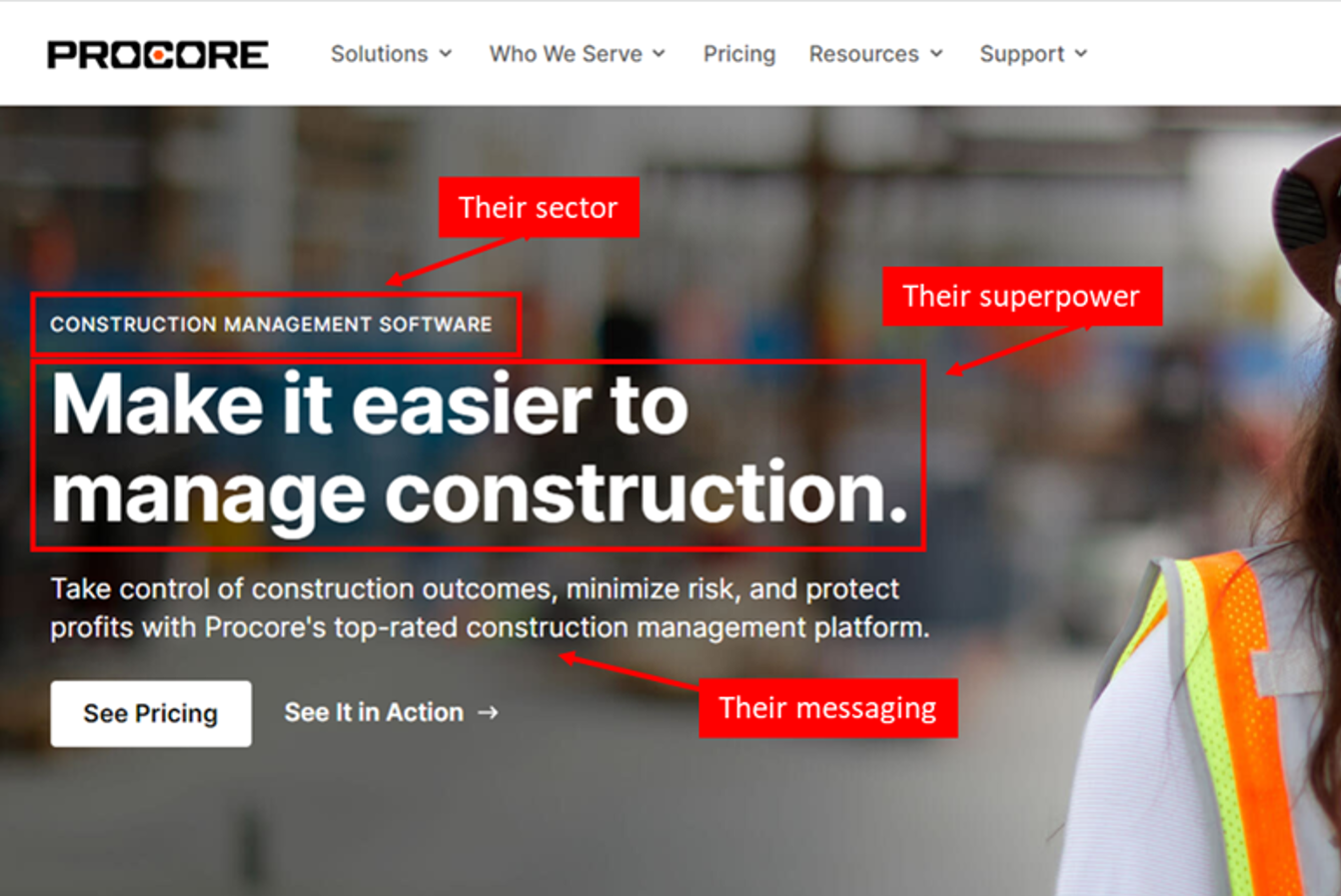
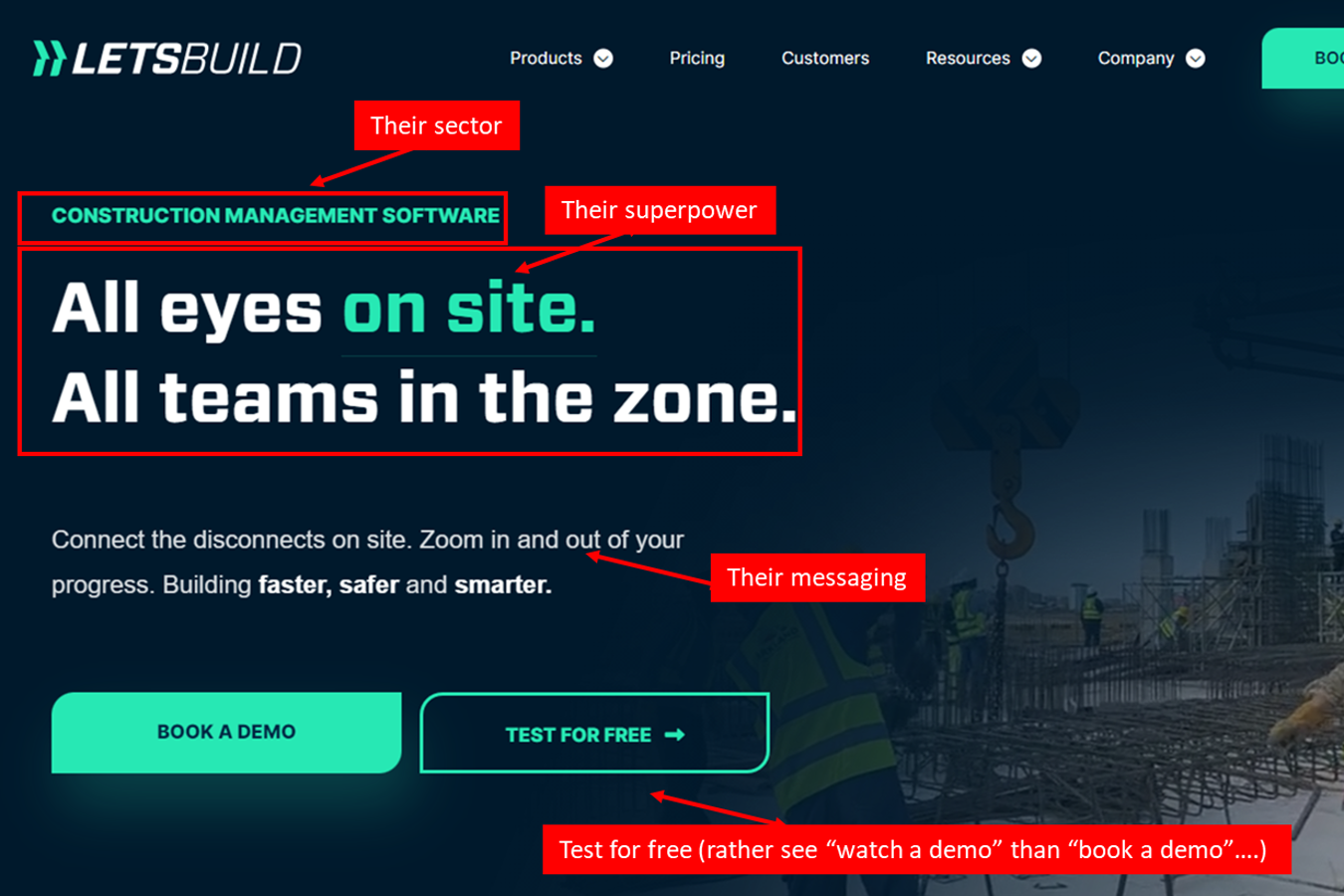
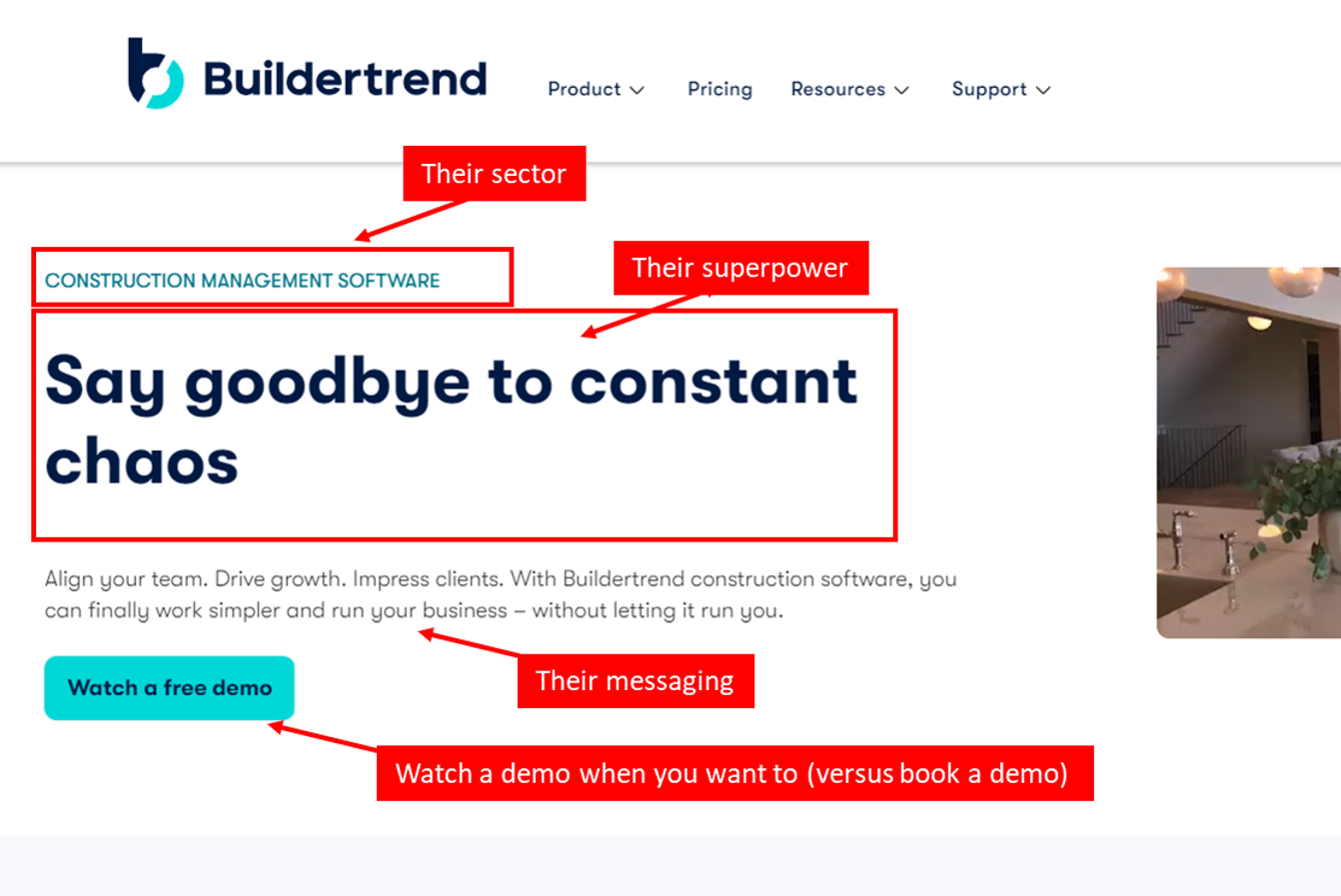
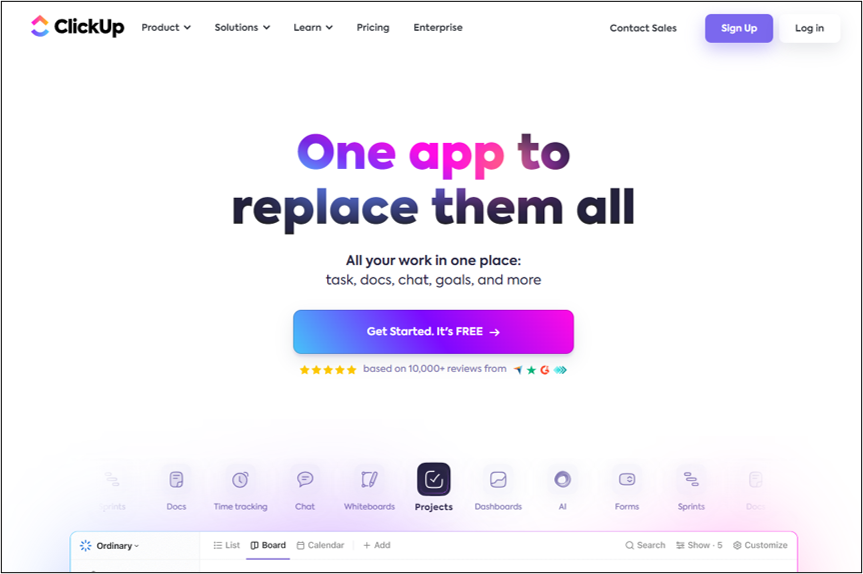
Get the basic elements across immediately

(click to view each example)

Nail the basics:

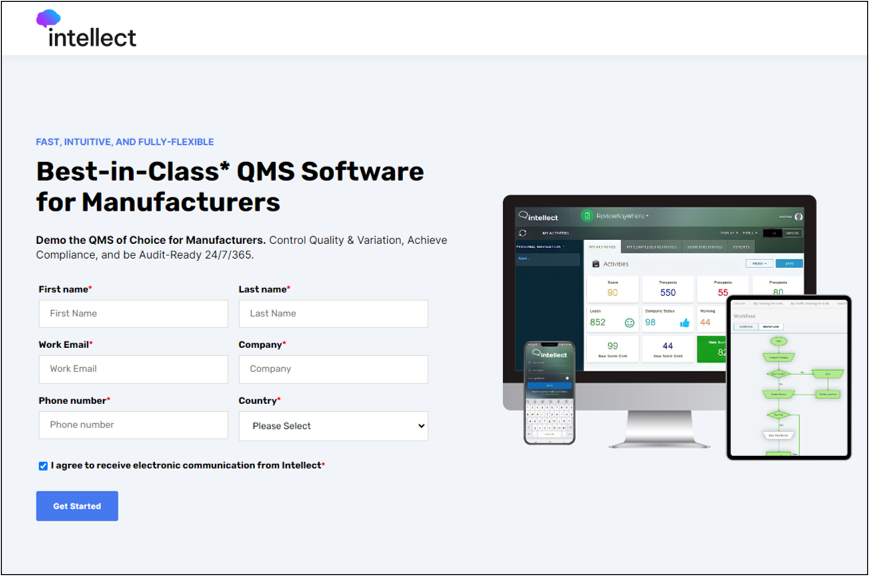
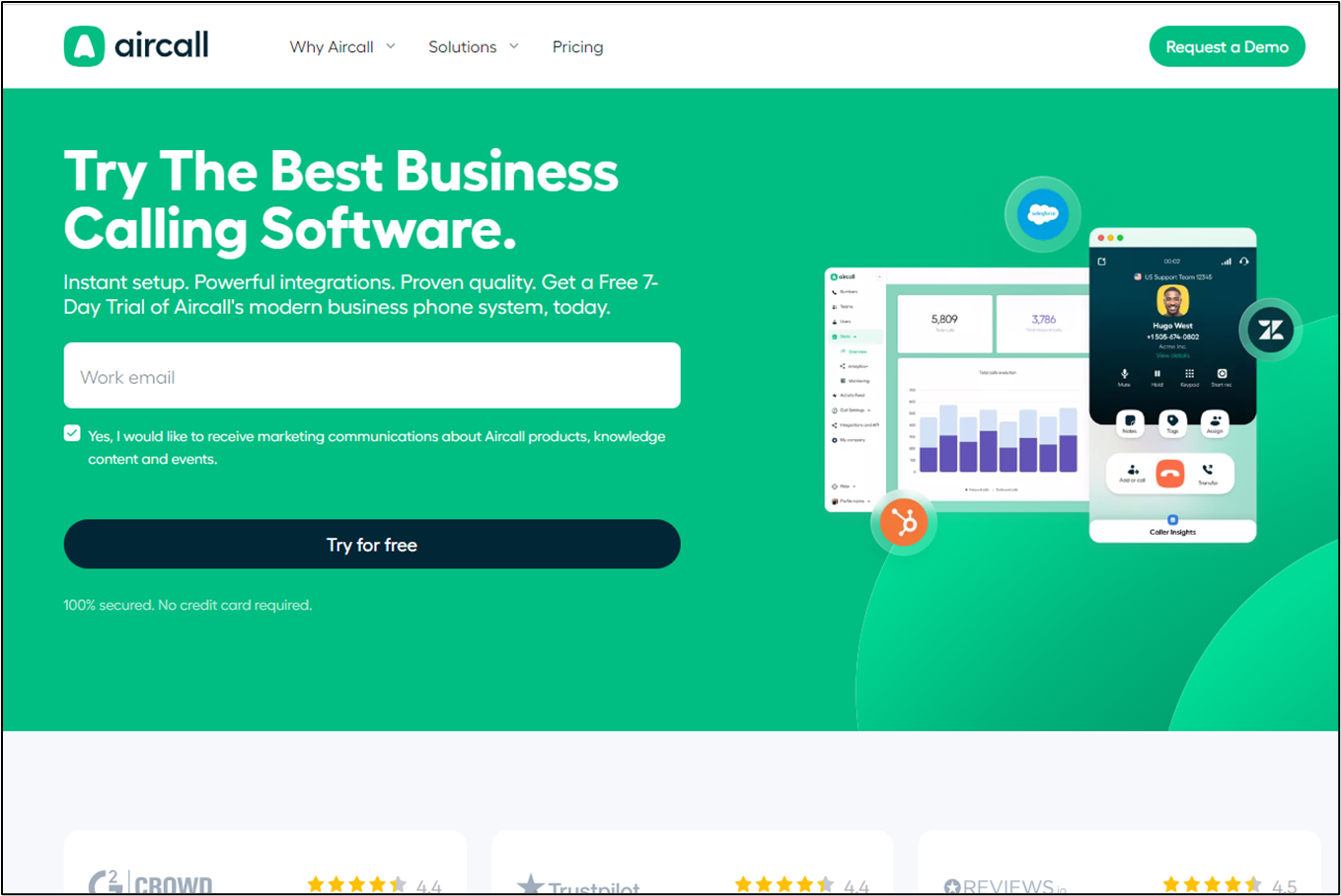
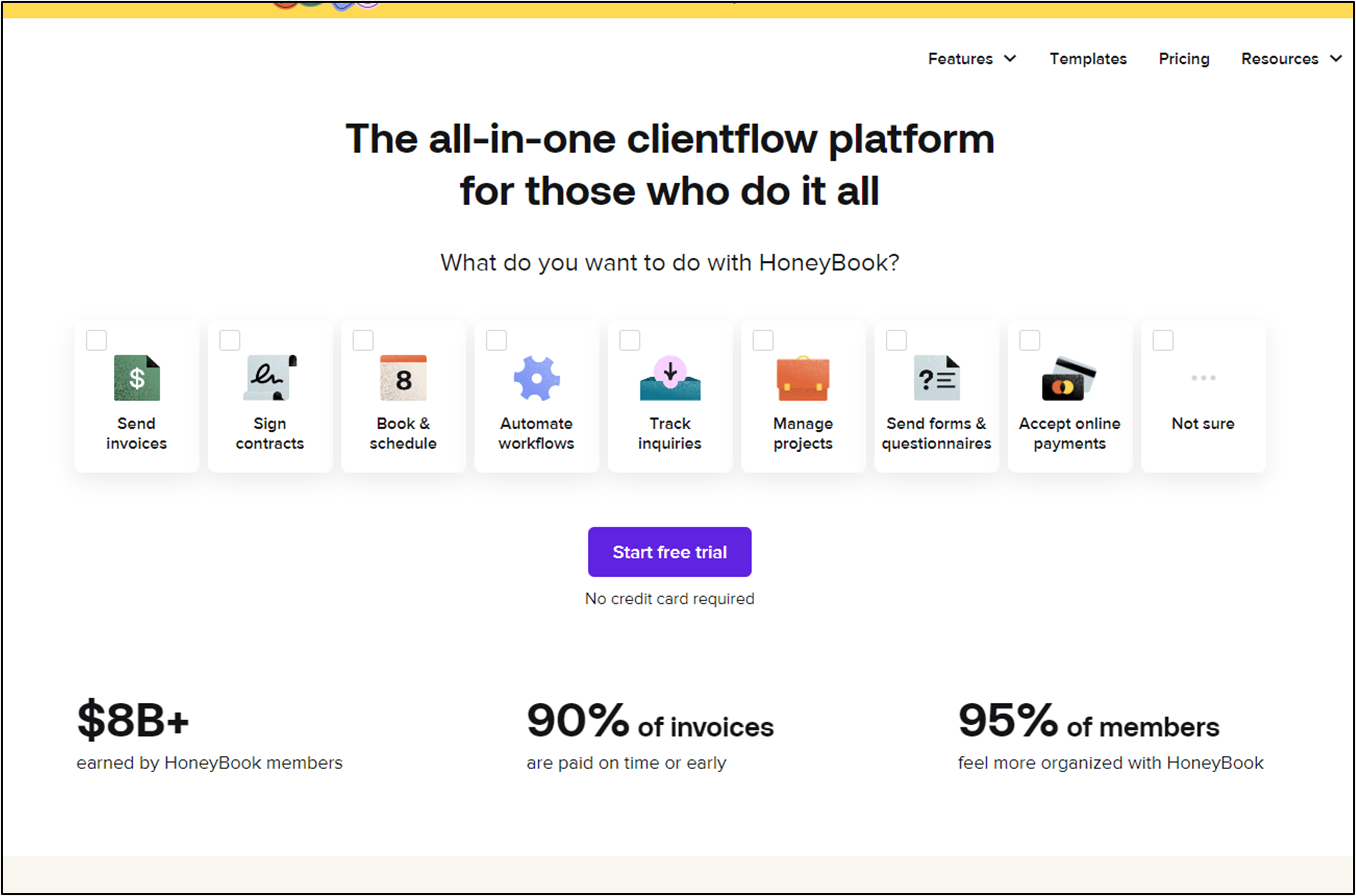
  1. Sector or Marketplace – same for all the examples above – smaller font
  2. Bold statement/Superpower/Position within sector – large font
  3. Messaging – communicate the positioning more completely with language that your target market uses
  4. Call-to-Action buttons – direct them to your most compelling selling tools – whitepaper, calculator, pricing, learning academy, recorded demo

Mistakes to avoid:

  • Mysterious or no positioning – I don’t know what market you are in or what you do.
  • Using the bold statement to simply repeat your sector or marketplace
  • Call To Action buttons should be focused on learning tools that allow them to continue the journey on their own (recorded demos v. schedule a demo).  Put the “book demo” button in the menu bar.
  • Using stock images or images that aren’t specific to the industry

Examples

Bold Statement

We Do It All

Aggressive Call To Action

Compelling Offer

We Are World #1

We Are #1 in Our Space

We Own the Market

Best In Class

We Are The First

Try The Best

Intriguing Question

Aspirational Call To Action

Niche Market

Maxim

Visionary

Target Audience Praise

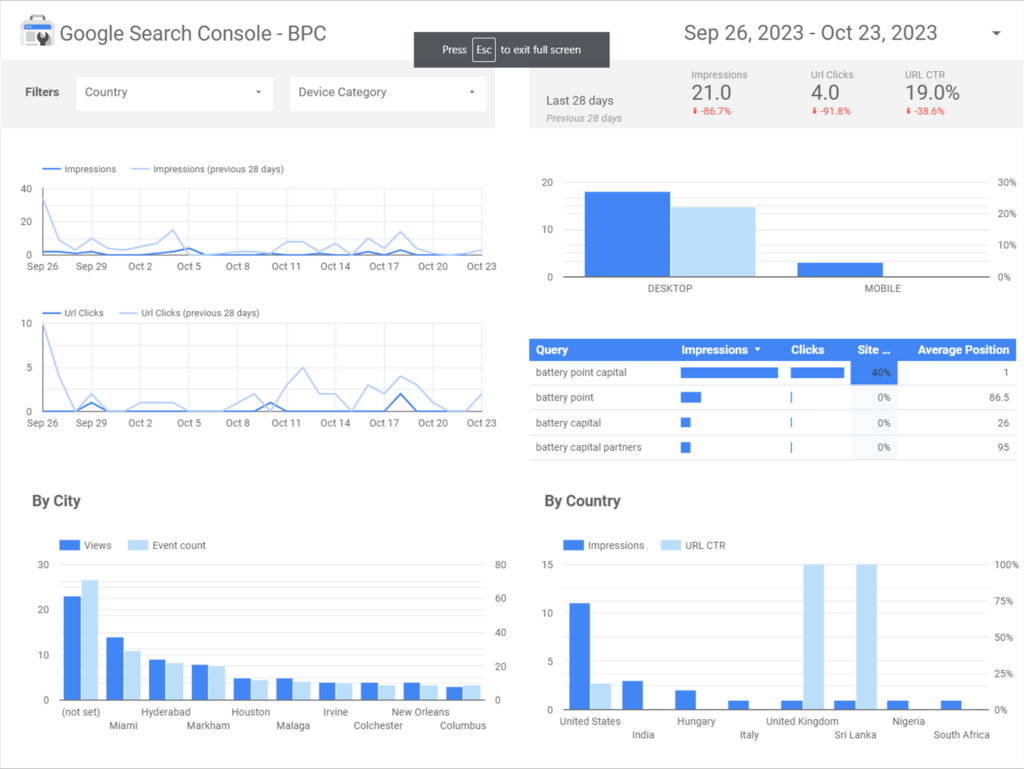
Leveraging Analytics to Measure Progress

We don’t guess, we connect your site and monitor your progress.

  • Who is visiting and when
  • Where are they coming from
  • Are they new or returning
  • What are the reading, which pages/content are working
  • Define your “conversions”
  • Which videos are working
  • Which campaigns are working (using UTM codes)

Resources

Examples, How-To's and Tools

Video Strategy Note: 80% of people say they typically switch freely between online search and YouTube while researching a purchase

Our Favorite Resources

“An educated consumer is our best customer”  Sy Syms

Positioning

Content Strategy

Content Execution

Channels

Category Creation

Our Pricing Plans

Step 1 – Website Preparation

  • SEO & Technical
  • Positioning & Messaging
  • Security & Analytics
  • Content Arrangement

Step 2 – Database Construction

  • Idenify TAM, SAM, SOM
  • Identify Personas & ICP
  • Identify firmographics
  • Construct Database

Step 3 – Content Development

  • Generate Subjects
  • Prioritize Subjects
  • Create & Review
  • Publish On Site

Step 4 – Content Syndication

  • Establish KPIs
  • Send set up
  • Set up analytic reports
  • Set up review calendar

Quick Start

6 Month Commitment
$ 2,500 Monthly
  • Website Preparation
  • Database Construction (10k leads)
  • Content Development (1 per month)
  • Content Syndication
  • Paid Media (Linkedin, FB etc.) *

Scale Program

6 Month Commitment
$ 3,500 Monthly
  • Website Preparation
  • Database Construction (50k leads)
  • Content Development (2 per month)
  • Content Syndication
  • Paid Media (LinkedIn, FB etc.) *

Initial Sales & Marketing Evaluation

SUMMARY


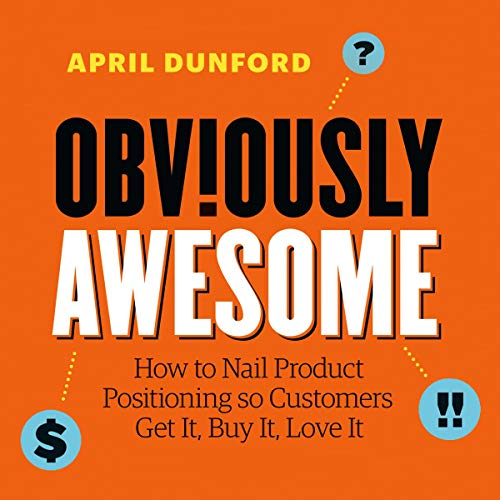
Obviously Awesome: How to Nail Product Positioning so Customers Get It, Buy It, Love It by April Dunford is a book about how to position your product in the market so that customers understand it, buy it, and love it.

Dunford begins by explaining what product positioning is and why it’s important. Product positioning is the process of creating a unique identity for your product in the mind of the customer. It’s about explaining what your product is, who it’s for, and what makes it different from and better than the competition.

Dunford then goes on to explain the five components of effective product positioning:

  1. Category: The category is the market segment in which your product competes. It’s important to choose a category that is large enough to support your business, but narrow enough that you can stand out from the competition.
  2. Customer: The customer is the person who buys and uses your product. It’s important to understand your customer’s needs, wants, and pain points. This will help you to position your product in a way that resonates with them.
  3. Benefit: The benefit is the value that your product provides to the customer. It’s important to articulate the benefit of your product in a clear and concise way.
  4. Differentiator: The differentiator is what makes your product different from and better than the competition. It could be a unique feature, a lower price, or a superior customer experience.
  5. Proof: Proof is the evidence that supports your claims about your product. It could be testimonials from customers, case studies, or awards and recognition.


Once you understand the five components of effective product positioning, you can use them to develop a positioning statement. A positioning statement is a short, clear sentence that summarizes the unique value proposition of your product. It should include the category, customer, benefit, differentiator, and proof.

Dunford also provides a ten-step process for developing and implementing a product positioning strategy. The steps are:

  1. Understand your product: What is your product? What does it do? What are its benefits?
  2. Understand your customer: Who is your ideal customer? What are their needs, wants, and pain points?
  3. Understand your competition: Who are your competitors? What are their strengths and weaknesses?
  4. Choose a category: What is the market segment in which your product competes?
  5. Identify your differentiator: What makes your product different from and better than the competition?
  6. Articulate your benefit: What value does your product provide to the customer?
  7. Develop your proof: What evidence supports your claims about your product?
  8. Write your positioning statement: Summarize the unique value proposition of your product in a short, clear sentence.
  9. Implement your positioning strategy: Communicate your positioning statement to your customers and employees.
  10. Measure and refine: Track your progress and make adjustments to your positioning strategy as needed.


Obviously Awesome is a practical and informative guide to product positioning. It is essential reading for any business owner or marketer who wants to position their product for success.

SUMMARY


They Ask You Answer is a book about content marketing and inbound sales. It is written by Marcus Sheridan, who used this approach to turn his struggling pool cleaning business into a multimillion-dollar company.

The core of the They Ask You Answer philosophy is that you should create content that answers the questions that your target customers are asking. This content can be in the form of blog posts, articles, videos, or even just social media posts.

The idea is that when you create content that answers your customers’ questions, you are positioning yourself as an expert in your field. This builds trust with potential customers and makes them more likely to do business with you.

Sheridan also emphasizes the importance of being unbiased in your content marketing. He argues that you should not try to sell your products or services directly in your content. Instead, you should focus on providing valuable information to your customers.

When you do this, you are building relationships with potential customers. And when the time comes for them to buy, they will be more likely to come to you because they trust you and know that you are an expert.

Here are some of the key takeaways from They Ask You Answer:

  • Identify and answer your customers’ questions. This is the foundation of the They Ask You Answer approach. You need to know what your customers are asking so that you can create content that answers those questions.
  • Be unbiased in your content. Your content should be focused on providing valuable information to your customers, not on selling your products or services.
  • Create high-quality content. Your content should be well-written, informative, and engaging.
  • Promote your content. Once you have created great content, you need to promote it so that people can find it. You can do this through social media, email marketing, and paid advertising.


How to implement the They Ask You Answer approach

Here are some tips for implementing the They Ask You Answer approach in your business:

  1. Identify your target customers. Who are you trying to reach with your content? Once you know who your target customers are, you can start to identify their needs and pain points.
  2. Research the questions that your customers are asking. You can do this by talking to your customers directly, conducting surveys, and analyzing online forums and social media conversations.
  3. Create content that answers your customers’ questions. This content can be in the form of blog posts, articles, videos, or even just social media posts.
  4. Promote your content. Once you have created great content, you need to promote it so that people can find it. You can do this through social media, email marketing, and paid advertising.


The They Ask You Answer approach is a powerful way to attract and convert leads. By creating content that answers your customers’ questions, you can position yourself as an expert in your field and build trust with potential customers.

SUMMARY

The Content Fuel Framework is a book by Melanie Deziel that provides a system for generating unlimited story ideas. Deziel argues that the best way to come up with new content ideas is to systematize the process by breaking it down into two components: focus and format.

The book provides a list of 10 focuses and 10 formats that can be combined to create 100 different content ideas. The focuses are:

  • Brand
  • Audience
  • Industry
  • Products or services
  • Customer stories
  • Data and insights
  • Trends
  • Culture
  • Events
  • Competition
  • Team


The formats are:

  • Blog posts
  • Articles
  • Videos
  • Podcasts
  • Infographics
  • Ebooks
  • Case studies
  • White papers
  • Webinars
  • Social media posts
  • Email newsletters


Deziel recommends that readers start by brainstorming a list of content ideas for each focus and format combination. This can be done individually or as a team. Once the list is complete, readers can start to prioritize and develop the ideas into full-fledged content pieces.

The Content Fuel Framework is a valuable resource for anyone who needs to generate content on a regular basis, including marketers, bloggers, social media managers, and writers. It is a simple and effective way to come up with new ideas and break out of content ruts.

Here are some of the key takeaways from the book:

  • The best way to generate unlimited story ideas is to systematize the process by breaking it down into two components: focus and format.
  • There are 10 focuses and 10 formats that can be combined to create 100 different content ideas.
  • To come up with new content ideas, brainstorm a list of ideas for each focus and format combination.
  • Once you have a list of ideas, prioritize and develop them into full-fledged content pieces.


The Content Fuel Framework is a powerful tool that can help you create a never-ending supply of content for your audience.

SUMMARY

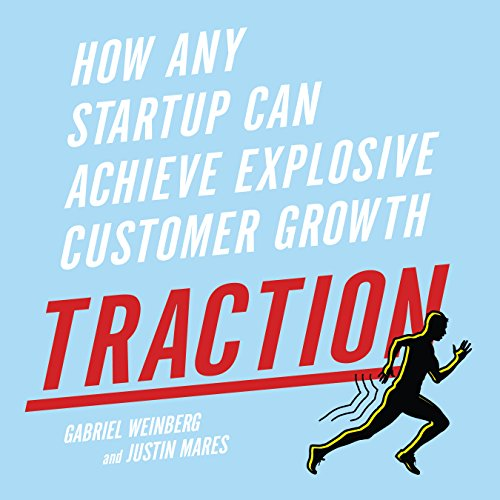
Traction: How Any Startup Can Achieve Explosive Customer Growth by Gabriel Weinberg and Justin Mares is a book that provides a framework for startups to achieve rapid customer growth. The authors argue that traction is the most important thing for a startup, as it signals to investors, partners, and the media that the company is on the right track.

The book outlines 19 different traction channels that startups can use to acquire customers, including:

  • Viral marketing: Creating a product or service that is so good that people are eager to share it with their friends and family.
  • Public relations: Getting positive media coverage for your startup.
  • Search engine optimization (SEO): Optimizing your website so that it ranks high in search engine results pages (SERPs).
  • Search engine marketing (SEM): Paying to have your website appear at the top of SERPs.
  • Content marketing: Creating and distributing valuable content to attract and engage potential customers.
  • Social media marketing: Using social media platforms to reach and connect with potential customers.
  • Email marketing: Building a list of email subscribers and sending them regular updates about your product or service.
  • Sales: Reaching out to potential customers directly and selling them your product or service.
  • Partnerships: Partnering with other businesses to cross-promote your products or services.
  • Business development: Building relationships with key people and organizations in your industry.


Other channels – 

  • Unconventional PR
  • Community Building
  • Engineering as Marketing
  • Existing Platforms
  • Offline Ads
  • Offline Events
  • Speaking Engagements
  • Targeting Blogs
  • Trade Shows


The authors recommend that startups start by testing a few different traction channels to see which ones work best for them. Once they have found a few channels that are effective, they can focus their resources on those channels and scale their growth.

In addition to providing a framework for acquiring customers, Traction also provides advice on how to measure and track traction, as well as how to use traction to raise money and hire top talent.

Overall, Traction is a valuable resource for any startup that is looking to achieve explosive customer growth. It is a practical and actionable book that provides startups with the tools they need to succeed.

SUMMARY


Category Creation: How to Build a Brand that Customers, Employees, and Investors Will Love by Anthony Kennada is a book about how to create a new market category for your product or service. Kennada argues that category creation is the most effective way to achieve rapid growth and high valuations.

The book is divided into three parts:

  • Part 1: The Long-Term Greed of Category Creation
  • Part 2: Seven Principles to Create (and Dominate) a Category
  • Part 3: Proving the Impact of Category Creation on Customers, Investors, and Employees


In Part 1, Kennada introduces the concept of category creation and explains why it is so valuable. He also discusses the challenges of category creation and how to overcome them.

In Part 2, Kennada outlines the seven principles of category creation:

  1. Define a unique problem. The first step is to identify a problem that a large number of people are facing, but that is not currently being adequately addressed.
  2. Create a new category. Once you have defined the problem, you need to create a new category to describe it. This category should be unique and memorable, and it should clearly differentiate your product or service from the competition.
  3. Educate the market. Once you have created a new category, you need to educate the market about the problem and your solution. This involves creating compelling content, building relationships with key influencers, and running effective marketing campaigns.
  4. Build a community. Category creation is not just about creating a new product or service. It is also about building a community of people who are passionate about solving the problem. You can do this by hosting events, creating online forums, and providing excellent customer support.
  5. Become the category leader. Once you have educated the market and built a community, you need to become the category leader. This means establishing your brand as the go-to solution for the problem you have defined.
  6. Protect your category. Once you have become the category leader, you need to protect your category from competitors. This involves continuing to innovate, educate the market, and build relationships with key stakeholders.
  7. Enjoy the rewards! Category creation is a long-term investment, but it can be incredibly rewarding. If you are successful, you will build a valuable business with a loyal customer base.


In Part 3, Kennada discusses the impact of category creation on customers, investors, and employees. He explains how category creation can help companies attract and retain top talent, raise more capital, and achieve higher valuations.

Overall, Category Creation is a valuable resource for entrepreneurs, marketers, and executives who are looking to create new markets and build category-defining brands.

Here are some additional key takeaways from the book:

  • Category creation is a long-term strategy. It takes time to educate the market and build a community.
  • Category creation is not about luck. It is about careful planning and execution.
  • Category creation is not easy. It requires a lot of hard work and dedication.


However, if you are successful in creating a new category, the rewards can be immense. You will build a valuable business with a loyal customer base.